Choosing the right flooring for your home, office, or commercial space can be a challenging task, given the variety of materials available in the market. Among the most popular options are PVC and rubber flooring, each offering unique advantages depending on the specific needs of the environment. Understanding the differences between these two types of flooring is essential for making an informed decision.
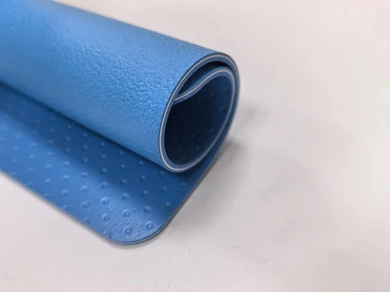
PVC flooring, also known as vinyl flooring, is highly versatile and widely used in both residential and commercial settings. One of its key advantages is its wide range of designs, including realistic wood, stone, and tile patterns. This allows homeowners and designers to achieve the aesthetic appeal of natural materials without the associated costs or maintenance challenges. PVC flooring is lightweight, easy to install, and generally low maintenance, requiring only regular sweeping and occasional damp mopping to keep it looking new.
Durability is another important consideration. Modern PVC flooring comes with a protective wear layer that ensures resistance to scratches, stains, and daily wear. It is particularly well-suited for high-traffic areas such as offices, retail stores, and residential kitchens. Additionally, PVC flooring is waterproof, making it an excellent choice for bathrooms, basements, and other moisture-prone areas.
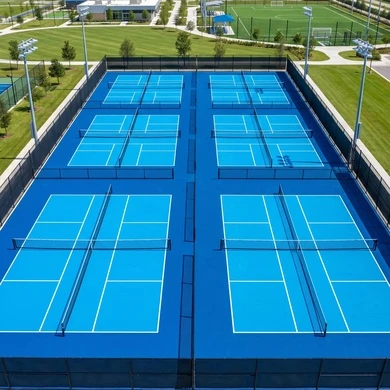
On the other hand, rubber flooring is known for its exceptional resilience and eco-friendly properties. Made from natural or recycled rubber, it is highly durable, slip-resistant, and provides excellent shock absorption. This makes rubber flooring a preferred choice for gyms, sports facilities, hospitals, and playgrounds. Its natural elasticity reduces fatigue for people standing or walking for extended periods, enhancing comfort in commercial and public spaces.
Sustainability is a major factor in the rising popularity of rubber flooring. Many products utilize recycled materials, such as post-consumer tires, reducing landfill waste and promoting environmentally responsible construction. Rubber flooring also contributes to improved indoor air quality, as it typically contains low or zero volatile organic compounds (VOCs).
When deciding between PVC and rubber flooring, consider the specific requirements of your space. For high-traffic commercial areas or spaces that require shock absorption and safety, rubber flooring is often the ideal choice. For residential spaces or commercial environments that prioritize aesthetics, waterproofing, and easy maintenance, PVC flooring may be more suitable.
Both types of flooring can be customized with a variety of colors, patterns, and finishes, allowing designers and homeowners to match their interior design preferences. Cost is another consideration: while rubber flooring may have a higher upfront cost, its durability and low maintenance can offer long-term value. PVC flooring, on the other hand, is more budget-friendly and offers flexibility in design and installation.
In conclusion, selecting the right flooring requires careful consideration of durability, aesthetics, maintenance, comfort, and environmental impact. By understanding the key differences between PVC and rubber flooring, property owners and designers can make informed choices that meet both functional and aesthetic needs. Our company offers a wide range of both PVC and rubber flooring solutions, designed to provide long-lasting performance, sustainable materials, and versatile designs suitable for any environment.
For more information on our flooring options, sample requests, or installation guidance, please visit our website. Choosing the right flooring can transform your space, enhance comfort, and provide lasting value for years to come.