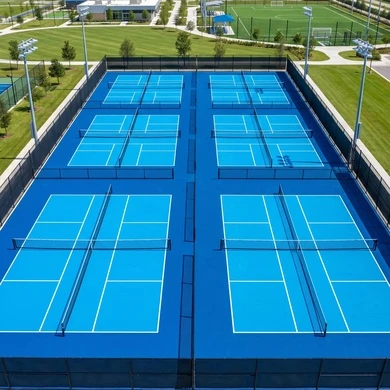
When planning a sports facility, selecting the right flooring system is one of the most important decisions that facility owners, contractors, schools, and recreation centers will make.
Among the most popular sports flooring options available today are modular sports tiles and PVC sports flooring. Both solutions offer advantages, but each is designed to meet different project requirements, usage scenarios, and performance expectations.
Understanding the differences between these flooring systems can help decision-makers choose the most suitable solution for their facility.
Why Flooring Selection Matters
Sports flooring directly influences athlete safety, playing performance, maintenance requirements, and long-term operational costs.
The ideal flooring system should provide reliable traction, consistent ball response, durability, and user comfort while fitting within the project's budget and functional requirements.
Because every facility has unique needs, comparing flooring options before making a decision is essential.
What Are Modular Sports Tiles?
Modular sports tiles are interlocking flooring panels designed for both indoor and outdoor sports applications.
The tiles are manufactured from durable materials and connect together through an integrated locking system, allowing relatively quick installation without extensive site preparation.
Modular flooring is commonly used for:
- Outdoor basketball courts
- Pickleball courts
- Tennis courts
- Multi-sport facilities
- School playgrounds
- Recreation centers
Advantages of Modular Sports Tiles
Fast Installation
One of the biggest advantages of modular flooring is installation efficiency. The interlocking system allows projects to be completed quickly with minimal disruption.
Excellent Drainage
Outdoor modular sports tiles are typically designed with drainage channels that allow water to pass through the surface, helping courts return to use more quickly after rain.
Easy Replacement
If a section becomes damaged, individual tiles can often be replaced without removing the entire flooring system.
Outdoor Durability
Many modular tile systems are engineered specifically for outdoor environments and provide strong resistance to UV exposure and changing weather conditions.
Potential Limitations
While modular flooring offers many benefits, it may not always provide the same level of comfort and shock absorption as certain specialized indoor sports flooring systems.
Facilities focused on high-level indoor athletic performance may require additional considerations.
What Is PVC Sports Flooring?
PVC sports flooring is a resilient flooring solution commonly used in indoor sports facilities.
The material is designed to provide a balance of comfort, durability, and athletic performance while supporting a variety of sports activities.
PVC flooring is frequently installed in:
- School gymnasiums
- Indoor sports halls
- Fitness centers
- Multi-purpose athletic facilities
- Recreation centers
Advantages of PVC Sports Flooring
Enhanced Player Comfort
PVC sports flooring often provides improved underfoot comfort compared to harder athletic surfaces.
Shock Absorption
Many PVC systems are designed to reduce impact forces generated during sports activities, helping improve comfort during extended use.
Multi-Sport Performance
PVC flooring can accommodate a wide range of sports and recreational activities within the same facility.
Professional Appearance
Indoor PVC flooring is available in numerous colors, textures, and design configurations, making it suitable for modern sports facilities.
Potential Limitations
PVC flooring is primarily intended for indoor applications. Outdoor exposure to sunlight, moisture, and weather conditions may affect performance and lifespan if the product is not specifically designed for outdoor use.
Comparing Key Performance Factors
Installation
Modular Sports Tiles
- Faster installation
- Interlocking design
- Minimal downtime
PVC Sports Flooring
- Professional installation often required
- More extensive preparation
- Longer installation timeline
Winner: Modular Sports Tiles
Comfort
Modular Sports Tiles
- Good comfort for recreational use
- Performance varies by design
PVC Sports Flooring
- Excellent comfort
- Better shock absorption
Winner: PVC Sports Flooring
Outdoor Performance
Modular Sports Tiles
- Specifically designed for outdoor conditions
- Strong drainage capabilities
PVC Sports Flooring
- Primarily intended for indoor use
Winner: Modular Sports Tiles
Maintenance
Modular Sports Tiles
- Easy cleaning
- Simple replacement of damaged sections
PVC Sports Flooring
- Routine cleaning required
- Repairs may involve larger sections
Winner: Modular Sports Tiles
Indoor Athletic Applications
Modular Sports Tiles
- Suitable for many indoor uses
PVC Sports Flooring
- Widely used in indoor sports facilities
- Strong performance characteristics
Winner: PVC Sports Flooring
Which Flooring Is Best for Pickleball Courts?
For outdoor pickleball facilities, modular sports tiles are often a popular choice due to their weather resistance, drainage performance, and installation efficiency.
For indoor pickleball facilities, PVC sports flooring can provide enhanced comfort and a more controlled playing environment.
The optimal choice depends on project goals, expected usage levels, and facility conditions.
Which Flooring Is Best for Schools?
Schools often require flooring systems that support multiple activities throughout the year.
Indoor gymnasiums frequently benefit from PVC sports flooring because of its versatility, comfort, and multi-sport performance.
Outdoor playgrounds and recreational courts may benefit more from modular sports tiles because of their durability and weather resistance.
Final Thoughts
Both modular sports tiles and PVC sports flooring offer significant advantages, but they serve different purposes.
Modular sports tiles are often an excellent solution for outdoor courts, quick installations, and facilities requiring easy maintenance. PVC sports flooring is frequently preferred for indoor athletic environments where comfort, shock absorption, and multi-sport performance are priorities.
The best choice ultimately depends on the facility's intended use, environmental conditions, budget, and long-term goals.
By carefully evaluating these factors, facility owners can select a sports flooring solution that delivers outstanding performance, durability, and value for years to come.